My First Week Experience at New Apartment

I’ve been very busy with the new apartment, and now I’ve finally had time to work on a new blog post! ^^ I am 20 years old and on the Autism Spectrum, and this month I moved out of my parents’ home for the first time and living independently. I now pay my own bills, decide when to do chores, and do my own grocery shopping. This isn’t very common for people who have ASD like me. I am very grateful that I am now experiencing this. This milestone makes me believe that anyone who has Aspergers, Autism, ASD, or whatever you wanna call it, can achieve this. My timing isn’t the same as most NTs, and I think that’s okay. I believe it’s wrong to put into people’s heads that there’s a “right time” to move out, go to college, date, have a family, etc. Everyone is unique and, in many ways, that’s the way it should be. I have now officially spent my first full week at my new apartment, and I thought now is the right time to make a blog post about it.

I wanna start off with the pros of living on your own.

#1 – Independence

It is so freeing to not have to abide by the conditions my parents put in place for me to live at their home as an adult. One thing that really bothered me was chores. I had to get them done at a certain time before doing anything else. Many times I would experience sensory overwhelm from work, go home, and just wanna rest and not be able to do that right away. I agree that as their adult child living in their home, I should contribute to cleaning up the house. What I didn’t like was being yelled at whenever I failed to do that. My logic for when to clean conflicted with theirs, and it led to several arguments between us. I often didn’t feel like the adult that I was because I was being told what to do as if I was still under their authority.

When you’re an adult and still living with your parents, they should let you make your own decisions. I think my parents did that okay. They taught me that an adult should be free to exercise independence. It’s not just healthy, but also their lawful American right as well. However, since you’re still living under their roof, you still have to abide by their house rules and make contributions. One rule that I had to abide by was to not swear in the home with my youngest sibling in the room. I felt upset that I couldn’t speak the way I wanted to in this way. She knew this rule, and would report me all the time whenever I let a cuss word slip. It bothered me so much. Now that I live alone, I don’t have to worry about being “tattled” on.

It is so freeing to make your own house rules and abide by your OWN schedule and standards. Being able to abide by boundaries that YOU put in place and not someone else feels great! I believe that it is healthy to do this, especially for the long-term. The earlier you exercise independence, the better prepared you’ll be in the future for things like a long-term career, having a family, etc. I believe the longer a controlling parent delays an adolescent’s or young adult’s freedom, the more it hinders their ability to manage their own life when mom and dad are no longer around. Being 5 years old and told what to do is one thing; being 2 years away from adulthood (16 years old) and having every decision made for you is another. Even 5 year olds need freedom in some ways, like being able to choose what to wear. I’ve only had a week to experience this type of independence, but there has definitely been a difference right away.

#2 – Pride

When I say pride here, I’m not talking about the kind of pride where you think you’re better than everyone else. I’m talking the kind of pride that comes from a sense of good accomplishment. As a person on the spectrum who is constantly told by statistics that I can’t be independent, I feel proud that I have defied the odds. I don’t think I’m bragging when I say this. I definitely had people help get me here. I also gotta thank God for blessing me with a job, wisdom, resources, and other opportunities to get to where I am now. I definitely couldn’t get here completely on my own or even in my own strength. But I’m definitely gonna say “In your face!” to statistics that people use to limit people like me. Not so much because I’m capable, but because God is!

#3 – Relief

Living on my own gives me hope. I feel hopeful that I can accomplish the things I want to accomplish, like making my own successful TV shows in the future. I believe that that can even happen in the very near future with enough hard work and wisdom. I know what it’s like to feel trapped under your parents’ roof. Many people will even put you down for living with your parents. This has happened to me. It feels awful! I don’t think anyone should have that sort of attitude. It’s destructive. I feel relief that good things like this can happen to me. I can now say it has.

#4 – Faith in God

You can have faith in God no matter what your circumstance is. Heck, I still leaned on Him even when I didn’t think I’d ever move out soon enough. I don’t wanna downplay having faith in God when circumstances seem hopeless. Everything WILL get better. That’s a PROMISE. For me, in the present, things have now gotten better in this particular aspect of my life (independent living). I didn’t know it would happen so quick. I remember worrying so much about not even living independently ever, even within the recent months prior to signing my lease. This good harvest of independent living has strengthened my faith in God in a way that hasn’t happened before ❤

Now here have been some cons of living on my own that has happened:

#1 – Roommate miscommunication

There has definitely been a few moments of frustration between me and my roommate. One thing is cleaning the apartment and running errands for it. She likes to clean up her mess right away after she’s finished with what she’s doing. I like to clean up later. This has led to some frustration between us. For awhile, she seemed so salty towards me and I didn’t even know why, even though I would ask. She eventually told me that one of the things was that she didn’t like that I wouldn’t always clean my mess right away. It’s not that I never clean at all, it’s just she felt like she was doing more stuff than I was. I think the problem is that we haven’t been communicating how we want to share our workload for our home. We knew we were gonna split the house work, but we didn’t have any clear picture on what that would look like. My roommate and I did talk about clear ways we can split the house work, and we’ve come to agreements now. In fact, today I told her I would clean up my mess right away so she wouldn’t have to come home from work to see it. Sometimes you just gotta compromise for the other person. It’s courteous.

I believe this con is something that can definitely be something that can be handled in a smooth manner when it happens between two mature adults living together. It doesn’t have to be frequent. My roommate and I have made some mistakes, but I believe things will improve for the better. It already has. After all, it’s only been a week. When you choose a roommate, make sure they have a good work ethic, can talk maturely about your guys’ differences, and be open to change for the other person willingly. If you have a stubborn roommate who is a slob, you’re gonna have a bad time. Be wise and remember that love will overlook many mistakes. Overlooking wrongs is part of what will lead to seeing rights.

#2 – Money Mistakes

During my first week at my new apartment, I worked overtime at my new job (Amazon). I pack boxes full-time there, and this week was Prime week, meaning 9 1/2 hours of mandatory overtime. I’ve been getting good paychecks from Amazon since working there this month. Definitely sufficient income for affording this apartment. During my day off after Prime Week, I spent a LOT of money. I wasn’t so worried because I knew I made good money from Prime Week. Today I look at my bank account, and it was NOT what I expected. I spent so much more money than I thought. It’s not like I spent everything, but I definitely over-did it. I started to feel guilty because a good chunk of what I spent were on things I didn’t need. Yes, I spent some stuff on essentials (such as a broom and dustpan), but there were some things I got that weren’t needed. I justified my spending because of how hard and long I worked. I am easy on myself because this has only been my first month of living in a new place. I needed to remind myself that I’m okay. Now, if I continue making careless mistakes like this down the road, I would be more ashamed, but it’s important to give yourself grace ❤ It’s good to save up enough money to cover unexpected expenses before living on your own.

Some other things about having an apartment:

Another thing about living in your own place is work. You must have a job before living independently. You need a steady source of income, and one that pays sufficiently. My current income is more than enough. I also have a roommate, which makes rent much easier. My advice to other Autistic adults like me is to get a job. I know, it’s many times challenging for people like us. There are so many things employers look for in an employee that we, honestly, aren’t exactly wired to be natural at. Most jobs require some sort of social expectations. Before Amazon, I had two fast food jobs and one job in a school kitchen. Lemme tell ya, those jobs were chalk-full of expectations I didn’t know how to exactly follow. I even got fired from my first job. I had to learn and adapt to things that weren’t built into me. But let me tell ya, it’s worth it! It took hard work, patience, and lots of learning, but I finally was able to get to where I am now because of these experiences.

The last thing I wanna talk about is transportation. Most people with ASD can’t drive. I’m one of them. Yes, even though I live on my own, I don’t have a car nor license. However, I get to where I wanna go through two things: Uber and buses. Uber is definitely more convenient, but not something that’s wise to use for daily transportation. I usually try to use it only 1-3 times per week. I use it on Saturdays to get to work because the bus doesn’t run until 9am (I need to be to work by 7:30am). To get to work, I use the bus, which is much more affordable (but takes longer). Transportation is something you really gotta think about before living on your own. Make sure it’s reliable. My methods of transportation are reliable enough, but there are cons to not having a license. It’s possible to live alone without one, but it comes with challenges. I also must be at the bus stops at certain times, so it’s not like I can hop on a bus whenever and wherever I want. You gotta memorize bus routes, bus stop locations, and the times the bus arrives at those locations.

So those are things I wanted to share about my experience at my new place. It’s been a great experience so far. The good definitely outweighs the bad.

The table where I do my art and use my laptop.
There’s an anime store near my home that I walked to. I got stuff from there to decorate my new room ^^
Our kitchen
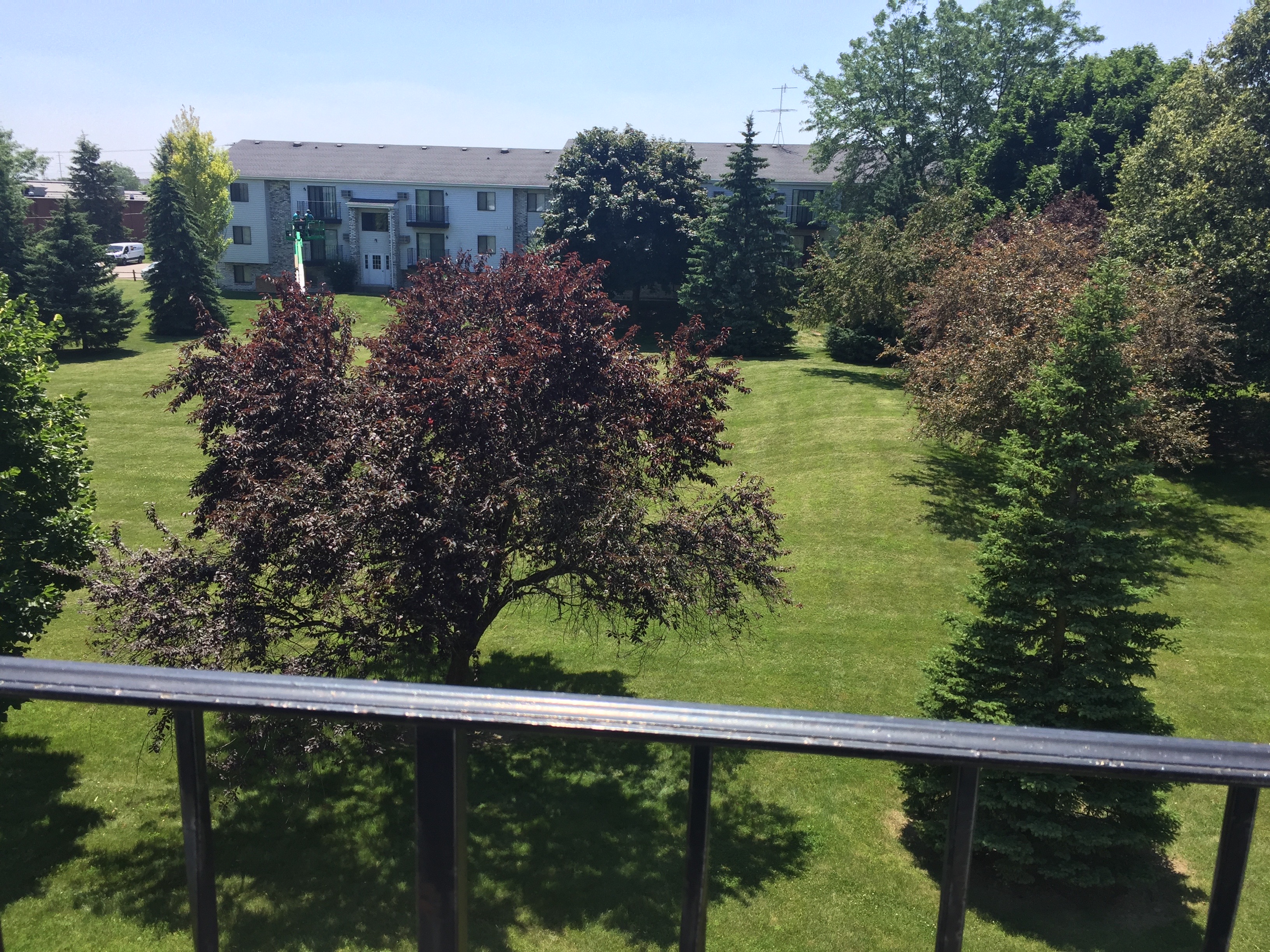
The balcony view
My dresser in my room ^^

Signs of a Good Social Skills Leader

This post is to help answer a question I received on Facebook. She asked where to find good groups for people with Asperger Syndrome. I thought about what advice to give.

I will say, there are some BAD social skill group leaders out there. I’ve read some of the complaints. To say they’re ALL bad though would be a “Hasty Generalization” logical fallacy. If it wasn’t for the social skills I’ve learned throughout my 3 years of intentionally improving my social life, I wouldn’t be writing this blog or start my YouTube channel. I see social skills as a tool that led to much of my freedom to express myself, and for the confidence I’ve gained. I think the key here is how they’re taught.

I will share what I believe to be bad signs of a social skills leader, and the good signs. I will say though, I have never been to a social skills group. I have never experienced what any of them are like for myself. The bad signs is based off my observations. The good signs are based on what has helped me personally as a social skills learner.

Here are some signs I’ve noticed that are common in bad social skill leaders:

#1 – Some Neurotypical people have good intentions, but don’t have a clear understanding of social skills themselves (this goes for NTs with wrong intentions, too).

I think it’s good to give NT leaders benefit of the doubt. Some of them are bad teachers, but do it with the right intentions. They do it because they want to help, but don’t actually know how to help. I feel bad for leaders that are demonized for their unhelpful approach to teaching social skills. I want to at least credit them for their good intentions, but the mistakes they make can definitely apply to people with the wrong intentions.

#2 – They may go off by their natural understanding, but not go much deeper by intentional understanding

NTs usually have the advantage of picking up on social cues than people who are autistic. They know those unwritten society norms that autistic people don’t pick up on naturally. However, NTs may lack deep understanding of how those society norms and cues work.

I’ve heard a person comment on Twitter say that they left their social group because the leaders could not explain the reasons behind the very things they would teach. If I remember correctly, the person said that they were told to NEVER criticize people. When she asked why, they told her “YOU JUST DON’T.” It’s like: “Wait? What about when someone is doing something wrong that can hurt other people? In some contexts, correction is on trivial things that don’t really matter, but what about on the things that do matter? What then?” I wonder if some leaders may not be able to explain any of their answers to those questions because they may be going off of feelings. After all, being corrected doesn’t usually feel good. Sometimes it’s rude, but what makes it rude? These are the kind of things you gotta think about.

Solid advice often requires research. Our natural instincts don’t always explain why you have that gut feeling. When you’re not intentional about the “why,” explaining the “what” won’t do any favors for autistic people. They may even do the “what” in all the wrong ways.

Here’s an example of that. One time when I was 6, I hit a dog with a bat because I was scared it would bite me. I saw it as “protecting myself.” When my mom found out, she gave me a spanking. However, I remember being so confused as to why she did that. She didn’t explain why it was wrong, she just punished me. Now that I’m older, I realized that it was obvious to her that you don’t hurt an animal when it doesn’t hurt you, but that wasn’t obvious to me. Because it was obvious to her, she felt like I should’ve known better, but I didn’t. This is an example of how an autistic person can misinterpret words of an NT without clarification. Now, the “what” in this situation was that “you should protect yourself from danger.” But I didn’t understand what constituted as protecting yourself. My actions were based on fear. Just because something is obvious to you, doesn’t mean it’s obvious to everyone. I now know that the “why” behind not hurting a dog is because you shouldn’t hurt an animal if has not proven to be an actual threat. Obvious to most people, but it wasn’t to me.

By the way, I felt like crying as I wrote that paragraph. I feel horrible for beating an innocent animal, and I remembered the feelings of being confused. It’s a heart wrenching feeling and embarrassing to admit, even though I was young. I want to clarify that not all Autistic people would ever do this. I can’t even imagine as it being common! To NTs out there, don’t generalize this as something every Autistic would do to an animal.

#3 – Some leaders are legalistic, and don’t actually care about the person.

Just like in a church, people can become so focused on rules that they don’t focus on ultimately loving the person. This is a HUGE problem. The whole point of teaching social skills is to improve the life of an autistic individual! When you actually focus on caring about the person through actions, good social advice will be a byproduct. Legalism is defined as “excessive adherence to law or formula.” What tends to happen to strict adherence is that life is “behavior focused”, not “person focused.” A person’s wellbeing is much more than the way they act, even though how they behave affects their quality of life, but to a certain extent. I believe the way a person thinks is more important than their outward actions. A person can act a certain way that looks good on the surface, but inside they may be suffering.

I used to be a legalistic person. I remember being so focused on how people acted that I didn’t think as much on their peace of mind. Strict obedience to social “laws” can cause much so much emotional distress because of fear of messing up. It’s no longer about the person, but how they act no matter what’s going on in their lives. We must make allowances for each other’s mistakes. Love overlooks wrongdoings. When loving others is the focus, good behavior often follows.

#4 – Watch out for leaders that are hypocrites

This is one of my BIGGEST peeves with people who “educate” others on how they should behave. Isn’t it frustrating when ANYONE goes against what they tell you is right?

I remember using the hashtag #Abledsareweird on Twitter. For those who don’t know what this hashtag is used for, it’s meant for people who are disabled to share a time when non-disabled people tell them something stupid, mean, hypocritical, or even a failed attempt to “educate” them on their disability that they themselves don’t have. In the Tweet I made, I said, “How come NTs get so mad when an #ActuallyAutistic person violates their personal space, and yet, them giving us an unwanted hug is perfectly okay? #Abledsareweird”. That tweet got 151 likes and 35 retweets! It boggles my mind that the same people would also criticize me getting in their personal space, when they act like my discomfort from touch is something I need to get over!

Here’s something Jesus told someone in the Bible that relates to this point: “’Judge not, that you be not judged. For with the judgment you pronounce you will be judged, and with the measure you use it will be measured to you. Why do you see the speck that is in your brother’s eye, but do not notice the log that is in your own eye?  Or how can you say to your brother, ‘Let me take the speck out of your eye,’ when there is the log in your own eye?  You hypocrite, first take the log out of your own eye, and then you will see clearly to take the speck out of your brother’s eye.” (Matthew 7:1-5)

#5 – They are leaders just to feel like good people

Here’s another verse that comes to mind when it comes to this fifth point: “‘When you pray, don’t be like the hypocrites who love to pray publicly on street corners and in the synagogues where everyone can see them.” (Matthew 6:5 NLTa) I’m sure you know someone in your who flaunts. They make themselves out to be these righteous people, but only do it in front of others. Their real motive is to impress people.

These people half-heartedly reach out to Autistic people. They don’t go the extra mile. They don’t invest their time and effort to understanding when they don’t immediately understand an autistic person. Most autistic people catch this, and it makes them angry. They’re used to be being treated like the outcast, and it’s offensive when the very people claiming to help them make their lives worse.

#6 – They lack patience

Patience is KEY when helping an Autistic person out. They already develop at a slower pace than their peers (not in everything, but usually a couple of things at least). They may need more time to figure things out. When someone lack patience, they show irritation, which is never helpful. It may even make the person feel like they’re not getting better fast enough, as if their progress doesn’t mean anything. Be patient with us.

Now there’s probably some bad signs that I missed, but I did my best to cover the major ones. Now, here are some signs of a GOOD social skills leader:

#1 – They actually care about your happiness, not your outward success

Good social skill leaders will care about your wellbeing, not if you appear “normal” on the surface. If you are autistic and lack joy because of the things people are teaching you, a bad social skills leader may dismiss the feeling, concluding that you feel that way because of ASD or something is wrong with you. They wouldn’t even consider that their teaching style may not be effective towards the individual, or that what they say is wrong. A good social skills leader will listen to why the Autistic person lacks joy. They will base their solutions to their problems with their feelings in mind. They might listen to NTs’ ideas on how to fix the issue, but they will never dismiss the autistic person’s feelings. They will also be careful on who they listen to, filtering out the unhelpful people. They will be willing to admit if they’re wrong in their teaching approach, and dig deeper into how their teaching can be effective and beneficial instead.

To them, real success is their self-esteem, confidence, meaningful friendships, which is all about how they feel. The underlying success is not for them to get a job, have friends, or live on their own. That’s outward success. Many “normal” people have all those things, but still have low self-esteem, have low confidence, and lack meaningful friendships. Now, it’s FANTASTIC when an autistic person achieves those things, but it must come from feelings of being loved, valued, and moved to love and value others. I have had 3 jobs, have great friends, and I’m moving into my own apartment next month, but I don’t think I could ever have those things without feelings of validation that come from effective teaching. It’s my internal life being nurtured that led to me having this outward success, and that’s what good leaders focus on ultimately.

#2 – They take the time to LISTEN to you

In order to reach out to Autistic people, you MUST listen to them. It is KEY. When you don’t listen to them, you will be blind to what their needs are. You can listen to NT advocates, doctors, and parents all day long, but people with ASD have a unique way of explaining their needs because they actually HAVE it. They may not always be right, but they at least can say what it’s like to be Autistic. Learning their experiences will help you understand their needs in a deeper way. And guess what? They often KNOW what they’re talking about when it comes to this. Someone who is a parent know more what it’s like to be one than people who aren’t, even if they don’t have all the answers. Same goes for people with ASD.

Here’s Bible advice that I think goes great with this second point: “My dear brothers and sisters, take note of this: Everyone should be quick to listen, slow to speak and slow to become angry,” James 1:19.

#3 – They present both the “What” & the “WHY”

People who are able to explain why something is the way it is have a much better understanding than people who only know the what. For example, a person says the sky is blue. Someone asks why. If the person can’t explain why, then they’re probably not qualified to work at NASA. Someone who answers that questions with: “Blue light is scattered in all directions by the tiny molecules of air in Earth’s atmosphere. Blue is scattered more than other colors because it travels as shorter, smaller waves. This is why we see a blue sky most of the time.” is someone who definitely knows their stuff. By the way, this is quoted word for word from this website by NASA, so I definitely didn’t know this off the top of my head: https://spaceplace.nasa.gov/blue-sky/en/

#4 – They clarify that social skills are “guidelines”, not “rules”

I believe absolutes exist, but social skills is a tricky area that’s definitely not always black and white. For example, lots of people enjoy sarcasm, but delivery must done just right. It can be funny, mean, fall flat, or taken seriously depending on delivery, which is hard for some people, including many Aspies like me. To almost every rule there is an exception. Social skills may not be the same in every culture. Making eye contact with the occasional looking away is okay in America, but doing that in China may be rude.

I think the key is moral standards first, learning the unwritten rules second, and expression last. When you have moral standards, there is integrity in every interaction you make and lines you won’t cross. When you know the unwritten social expectations, you know how the NT thinks and can adjust your communication in a way they appreciate (more easily anyway). Expression is where you can have “fun” in the conversation, like sharing your interests, coming up with a joke, or using certain words depending on context. Your moral standards will always be absolute, social expectations are your guidelines, and expression is the communication part.

#5 – They take an interest in you, not ignore you

Good leaders are interested take an interest in YOU. “Don’t look out only for your own interests, but take an interest in others, too.” Philippians 2:4

#6 – They talk to you in a way according to your needs

Not every person on the spectrum have the same needs. That is in fact why they even call it a spectrum. Some people may need more help than others, but that doesn’t mean it’s easy. After all, a need is a need. It’s not gonna feel easy. Good leaders will be mindful of what you need. Some people need “tough love”; others need to be spoken to gently and kindly. Some people may need to be corrected; others need to be complimented. Everyone is different. “Do not let any unwholesome talk come out of your mouths, but only what is helpful for building others up according to their needs, that it may benefit those who listen.” Ephesians 4:29 NIV

#7 – They don’t criticize you in front of others

I hear way too often about Aspies being criticized in front of others. That can be MORTIFYING. It can be so damaging to point out faults in the presence of others. If you’re in a position of authority, correcting an Aspie you have authority over can definitely be necessary, of course. However, doing it privately must always be the first resort, and in a loving way. Matthew 18:15-17 offers great advice on what to do when someone makes a social offense, and it mentions private criticism being the first resort. I always appreciate when people point out things I’m doing wrong when it’s done privately, particularly when it’s people whose opinions I respect and know are doing it with the right heart. Sometimes it’s not your place to say something, but when it is, be gracious. The only exception that comes to my mind right now is an art critique in the context of a classroom or a show.

#8 – Love is their goal, not “fixing” you

I have LITERALLY heard people say that they will “fix” somebody else. I remember hearing someone say out loud at an airport, “I will FIX her!” He said it in an angry way and I hope he doesn’t mean it in the way I think it means. That is one of the most dehumanizing ways I’ve ever heard someone refer to a person. They are not a toy that can be fixed with glue, or whatever fixing analogy you wanna use. It’s never that simple. Even if they don’t say it, some people actually do think this way. They try so hard to “fix” people, even when it’s not their responsibility and they can’t control the other person. What people need to do instead is to love the other person, and good leaders know this. They rely on loving action and words to help people, not use harsh actions or words to “help” them.

#9 – They see you as a person, so they don’t “need” to remind themselves that you’re human

My last point will be this one. @brookewinters33 on Twitter made this tweet on June 3rd, 2019: “Many disabled people are dependent on others to meet our basic care needs and too often we literally have to put our lives in the hands of people who admit that they often forget we are people.” Good leaders don’t forget we are people. They reach out to us because we are. They don’t see us as objects, but as human beings like anyone else.

I hope all this advice will help you find the best people that can speak life into whatever situation you’re in. If you’re looking to join a group meant for Autistic people, look for these signs in the leaders. Remember that nobody is perfect and we’re always gonna learn new things about each other, good and bad. That’s why love must be our highest goal so we don’t lose sight of the mission to help one another out ❤

Why You Can Understand Someone Who Isn’t You, And How

Please hear me out on this. My intention is to not minimize the experiences of people who have gone through the particular things I will talk about in this blog post. In fact, quite the opposite. The goal is to think up of ways for how we can understand people who have experienced things we haven’t personally experienced. I believe that by doing this, it will lead to less division in things like politics and disability advocacy. For example, I’m going to explain why a neurotypical person CAN understand what an autistic person goes through. Although you don’t see examples of this very often, I’m going to explain how this is possible. I actually am diagnosed with autism spectrum disorder, so you find this interesting. I also want to note that there will be some Bible verses in this post. If you don’t like that, I ask that you don’t dismiss what I have to say, please. There is a reason why I included them.

A Twitter user @brookewinters33 made a tweet that actually inspired me to write this blog post. It really made me think. Link to tweet: https://twitter.com/brookewinters33/status/1135659749280800768

I am autistic. When I read the tweet I mentioned above, I got angry. I was angry because Brooke Winters was right! It offends me when so-called advocates talk about us autistic people as if we aren’t humans like them. There’s no way that sort of responsibility should be in the hands of someone who doesn’t even know how to love somebody who is different from them like that. I could feel myself getting so angry and upset because I know what it’s like to be objectified for my autism, rather than seen as a person and individual.

I’m sure you’ve heard or seen people that say or imply that if you haven’t gone through the same thing someone else has gone through, your thoughts are inherently incorrect. How often do you see a white people’s thoughts on racism dismissed, and even made fun of, by people of color? How often do you see feminists silence the voice of men for reasons that are based on stereotypes? How often do you see people with certain college degrees get angry at someone, who doesn’t also have that degree, for not taking their word on certain issues related to their expertise, especially on controversial topics related to that area of expertise (particularly what you see in political debates or discussions). Maybe it’s just me, who has been watching videos and reading articles from both sides of the political spectrum lately. Have any of you guys ever wondered if someone who isn’t you can ever truly understand what you’ve personally experienced? Perhaps you’ve been raped. Perhaps you have a disability. Perhaps you’re a person of color. You might think, ‘They don’t know what it’s like! They should have no say on what I’ve gone through.’

I want to add that there ARE things people should have no say in. For example, it is not your place to state your thoughts as absolute fact on serious topics you have done little to no research on. Don’t say things like “vaccines cause autism” when you don’t listen to what pro-vaccine people have to say, or don’t even understand medical science regarding the brain. There are also opinionated people that don’t even care about truth and understanding. All they care about doing is airing their own opinions. There’s even a verse that says this: “Fools find no pleasure in understanding but delight in airing their own opinions.” Proverbs 18:2 NIV. We gotta watch out for those people. We need to learn to detect them and then shut our ears to their opinions. Nothing productive will come out of their mouths.

Now here are some verses that indicate we can truly understand what people go through, even when we haven’t personally experienced what they experienced. I will quote 3.

#1 – Galatians 6:2 “Share each other’s burdens, and in this way obey the law of Christ.” This verse commands us to share in each other’s burdens. If someone you know is going through a tough time and know in your heart that you must help them, you deliberately share that burden they are going through. If someone you know is a single mom and is having a hard time supporting her children on her own, help carry her burdens by perhaps cleaning the house, spending time with her kids, or cooking her family’s next meal. You don’t have to be a single mother yourself. By doing this, you are actively walking alongside someone who is not dealing with the same struggles as you do. You get a taste of what they experience. This doesn’t apply to all situations (don’t get into an abusive relationship just to share the burden of someone who is in one, obviously). It’s a helpful way to get a better understanding of people.

#2 – Luke 6:31 “Do to others as you would have them do to you.” This verse can really help you understand what someone is going through. If you are a neurotypical and don’t understand how someone (like an autistic person) can be so obsessed with a certain interest, you may not really think about how they feel if they’re getting bullied for it. You may think, ‘Wow, that person is really weird for being that absorbed. No wonder they’re getting bullied. She should really get a new hobby.’ That is not the right way to think. In fact, it’s judgmental. Think of something you like a lot, even if you don’t consider it an obsession. You love it so much that you get the urge to talk about it with people. Then someone says to your face, “Wow, you’re way too into this. It’s not that big of a deal.” Chances are you’re gonna feel hurt. I’m guessing everyone has been made fun of for liking something at some point or another. What would you like them to do instead? The answer may be having them ask questions, share their honest (and polite) opinions, or even check out your interest for themselves. If you would want those things done to you, do it for an autistic person. We would love that! ❤

#3 – Hebrews 13:3 “Remember those who are in prison, as if you were there yourself.  Remember also those being mistreated, as if you felt their pain in your own bodies.” This is the verse first that came to mind when trying to think up of ways to understand somebody else. You could say this is almost #1 and #2 working together. I’ll tell you about a conversation I had with a friend that is applicable to this. This dear friend of mine and I were talking about representation of black people in TV and movies. I was in a class that talked about representation of people of color in film, and that’s what led to this conversation, in case you were wondering. I think I said something along the lines of, “I don’t get what the big deal is sometimes.” My friend, who was nice to me despite my ignorance, said this: “Can you imagine always being the person in the story who is always just the friend of the main character? Or always the criminal? Or always the background character or minor character? Or always the joke? Imagine growing up on that and seeing yourself that way.” Suddenly, I imagined myself as a stereotype in movies or TV. I felt actual pain and sadness. I felt upset that “I” would never see someone that looks like me be the hero in a story.

What if we, as a society, applied these three things in our daily lives? What if we practiced sharing someone else’s load, or treating others how you want to be treated, or putting yourself in someone’s shoes? Do you think that maybe it’d lead to more understanding? Do you think the misunderstood would appreciate your efforts, and feel understood by the other side for a change?

I believe that ethos isn’t everything. We must also take into account logos and pathos. Some things can be solved with common sense (logos). Some things can be solved by simply applying the three things I listed above (pathos). Almost always, all three of these things must work together. How they work together may give us a clearer understanding of the bigger picture.

Those are my thoughts. What are yours?

Is It Possible To Be An Extrovert & Autistic?

Most of us Autistic people are introverts. I think for many of us, it feels like you can’t be autistic and an extrovert because it’s so rare to see one. On Twitter, everyone seems to talk about how they shutdown, can’t handle social interaction, don’t have enough spoons to have a conversation, etc. Of course, these things doesn’t make one a bad person. After all, autism makes it harder for us to communicate with neurotypical people because the social areas of our brains are impaired in some way. No one should ever be blamed for how they are born. Not everyone has the resources to learn how to cope or even get a diagnosis. I wanna get that out there before I write what I think is the answer to this question: Is it possible to be an extrovert and autistic at the same time?

First, what exactly is an introvert? According to one of my favorite dictionaries, Merriam-Webster: “one whose personality is characterized by introversion, especially a reserved or shy person who enjoys spending time alone.” https://www.merriam-webster.com/dictionary/introvert

Merriam-Webster defines introversion as: “the state of or tendency toward being wholly or predominantly concerned with and interested in one’s own mental life.” https://www.merriam-webster.com/dictionary/introversion

That definition seems accurate for most introverts, if not every single one of them. My definition of an introvert would be this: “A person who usually prefers to be alone.” I think Merriam-Webster defined introversion in a way that makes the person sound selfish. I think it’s important to note that that’s not necessarily the case. An introvert can still be selfless and have a deep mental life. Sure, it’s possible to be an introvert and selfish. Many people who don’t understand introversion may make that assumption. However, introverts can still think of others even when they’re alone.

Now that we defined what an introvert is, why are so many of us autistic people introverts? I think, in a way, society encourages us to be (and criticizes us for being) introverts. What I mean by them encouraging us is that they often exclude us. NTs can be very harsh to us autistic people. They are often offended by our honest responses when they ask for our opinions. They make fun of the way we talk, comparing our talk to Wikipedia. They may bully us for the way we walk and dress. How can one be blamed for wanting to be alone when this kind of bullying happens?

Even though being an introvert is natural by default for many of us, it can turn unhealthy when people make fun of us when we attempt to be social. Instead of just being introverts because it’s our personality, it’s a part of us because we’re SCARED to be social. If we’re gonna mess up socializing and be made fun of it, why bother? It’s only human to think that way.

I also think many of us are introverts because we love our interests. They engross us. Video games, science, writing, etc. are so fascinating to us depending on which one intrigues us the most. It’s only natural that one would want to be alone when they want to enjoy their interests. This is not bad at all. Alone time can even be very proper during these activities. For example, writing, unless you’re collaborating with a partner, often requires quietness to concentrate on the craft. Alone time also has its own time and place in general, too.

There’s another term that defines a person’s social preference other than introversion and extroversion. I’m not sure how often this word is used, but I think it’s worth mentioning. The word is ambivert. If you google the definition, the dictionary will tell you that an ambivert means “a person whose personality has a balance of extrovert and introvert features.” This means that an ambivert is someone who doesn’t mind the alone time nor socializing.

I think there are autistic people out there that may be ambiverts. However, I do believe that for many, their ambiversion is suppressed by social exclusion and bullying. Ambiversion means that there is more of a preference to be social than a person who is an introvert. An autistic ambivert may desire (more than autistic introverts) to be social. However, because there’s still that social impairment, so they are excluded from social groups. I wonder if it’s even more painful for an ambivert to be excluded because they so badly want to socialize.

An autistic ambivert still wants to have their alone time. Sometimes more than social time depending on where they are on the introversion and extroversion spectrum. They enjoy alone time as much as an autistic introvert does when they want their alone time.

I think many autistic ambiverts think they are introverts because they are, in a way, somewhat forced by society to keep to themselves. They are bullied for their “weird” ways of thinking. Like introverts, they are scared to be themselves. I wonder how many ambiverts talk about their introversion when really their extroversion is just being suppressed. This makes me sad.

The last word we need to define here is the word extrovert. What is an extrovert? I’m sure you already know. It’s a person who prefers to socialize way more than they want to be alone. We can probably think of a ton of NT extroverts. Many times, we think of them as charismatic, outgoing, and energetic. However, I think it’s possible to be extrovert and be socially awkward, unconfident, and low on energy. Why do I think this?

I think an autistic person may want to speak in a group, but their social impairment makes them socially awkward because they’ll miss social cues they weren’t born to catch. They may be unconfident because they’re so used to failing at socializing that they are worried of making another social mistake. They are low on energy because they run out of spoons from sensory overwhelm.

Like autistic introverts and ambiverts, autistic extroverts are told to keep to themselves by society for their social weaknesses. They may want to so badly interact with people, but they can’t bring themselves to because they don’t know how. Like with autistic ambiverts, I wonder how many autistic extroverts think they are introverts or ambiverts because they are pressured to not socialize so they don’t “make a fool of themselves.”

What do I think I am? Introvert, ambivert, or extrovert? To be honest, I believe I am an ambivert. I love socializing with people I’m comfortable talking to, but I also love my alone time. I enjoy playing video games by myself and with other people, depending on my mood. I think I believe that there are autistic ambiverts and extroverts out there because of my own desire to socialize.

For years, I thought I was (and told by others) an introvert. The reason why I think I am an ambivert because, since 17, I’ve been learning how to communicate with NTs. I’ve been learning how they think, and what it means to give and take in a conversation. What it means to not be blunt. What it means to show empathy (not showing empathy does not equal having no empathy). Because I have learned social skills over the course of 3 years, I am free to socialize. This freedom has made me realize that there are NTs out there that will like you for who you are. It’s all a matter of learning how to communicate with them so they can see your honest and selfless intentions.

Even though I socialize more and have successful friendships, that doesn’t mean I am not myself. I don’t consider it masking to talk in a way that “gets” NTs to like me. Besides, it’s not even about getting them to like me. It’s about interacting with an NT in a way that makes the interaction meaningful to both of us. Masking is when an autistic person hides themselves and attempts to please the NT just so they can feel liked. I believe, for the most part, I am myself when I socialize with others. I don’t lie. There are people who don’t like me because I don’t lie to make them feel better. There are going to be people who won’t like you, and that goes for everybody. I’m not gonna let that stop me from being myself. I’m confident that they’re are people that like me for who I am. I am confident that EVERY autistic individual can be liked for who they actually are. I think the key thing is to communicate in a way that assures an NT of your good intentions. Tact can go a long way, but some of us aren’t naturally good at it. That means we have to learn, whether it’s through the advise of wise NTs (or even social autistic people) or through books on socializing or internet resources. There are TONS out there. One book I recommend for socializing is this: https://www.amazon.com/Asperkids-Secret-Book-Social-Rules/dp/1849059152/ref=sr_1_1?crid=3TTNTM0G7HEDD&keywords=the+asperkid%27s+secret+book+of+social+rules&qid=1555767557&s=gateway&sprefix=secret+social+rules+book%2Caps%2C752&sr=8-1

The author (Jennifer Cook O’Toole) was diagnosed with Asperger Syndrome, a form of autism that is now considered an outdated medical term. I was diagnosed with it too at 2 years old. She knows a lot about interacting with NTs and has taught me so much. I think it’s great that there’s an autistic person out there that is socially wise and can relate to autistic people on a special level because she is one.

What do you think you are? An introvert, ambivert, or extrovert? Feel free to say it in the comments ^^